Antipopes of the Antichurch
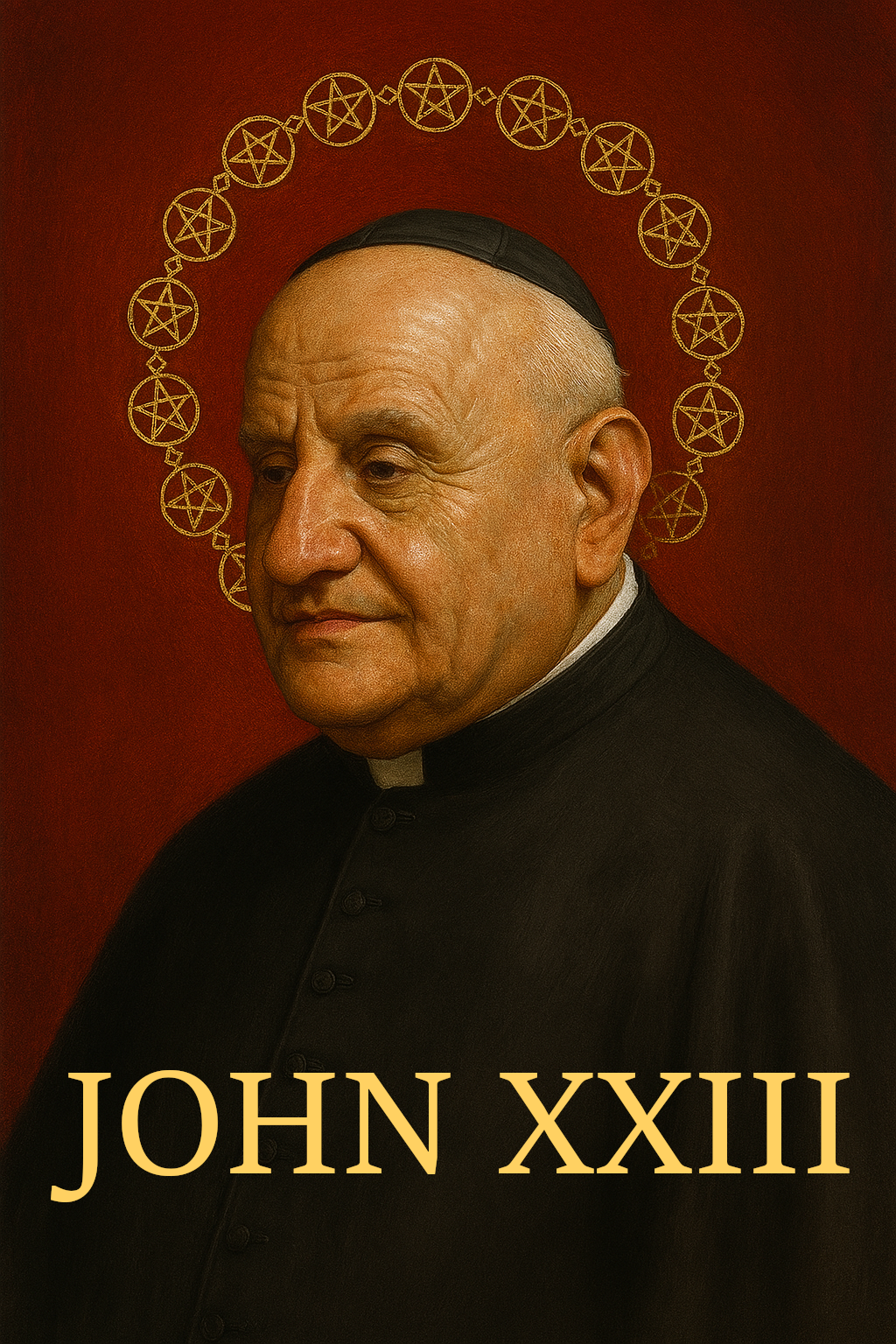
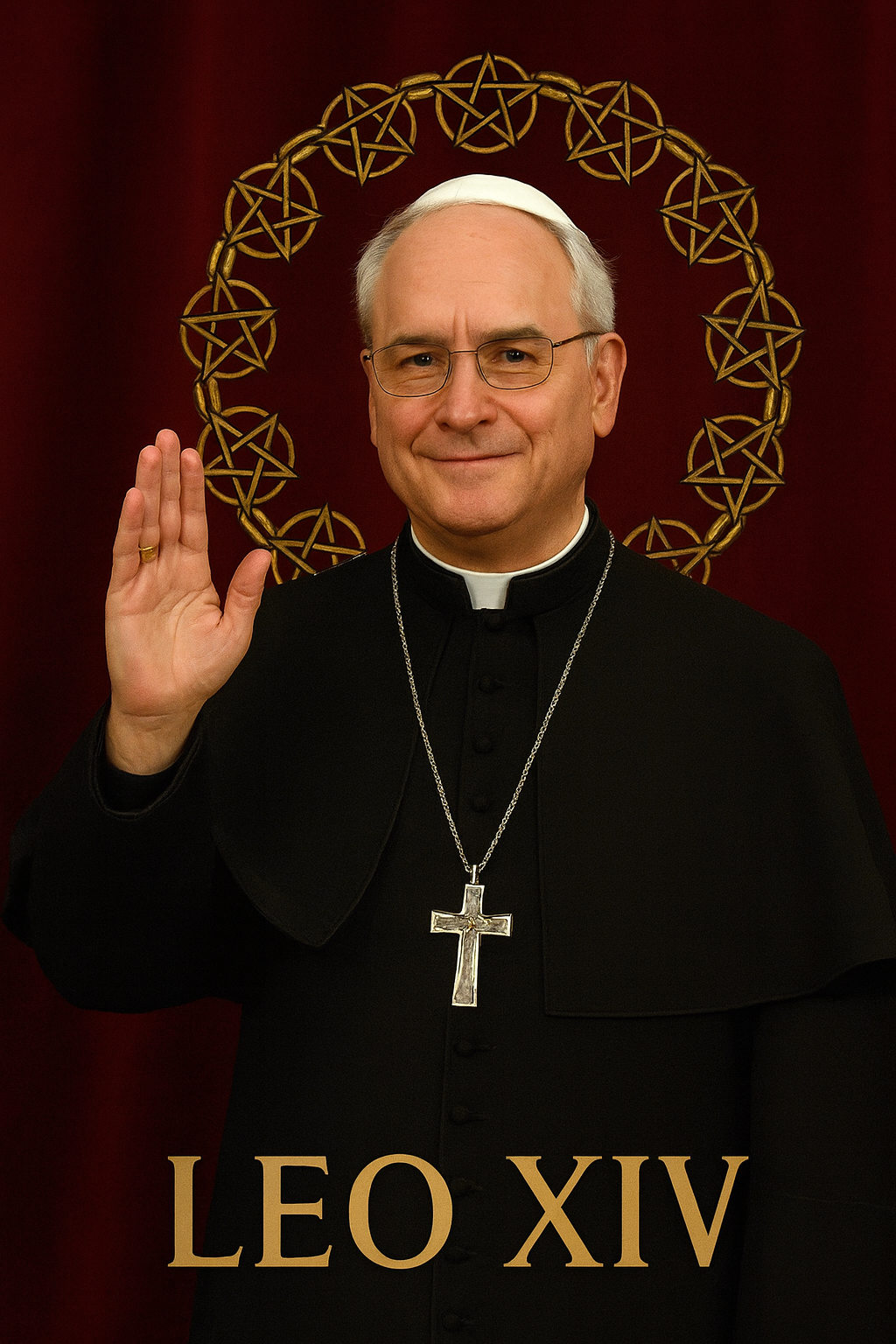
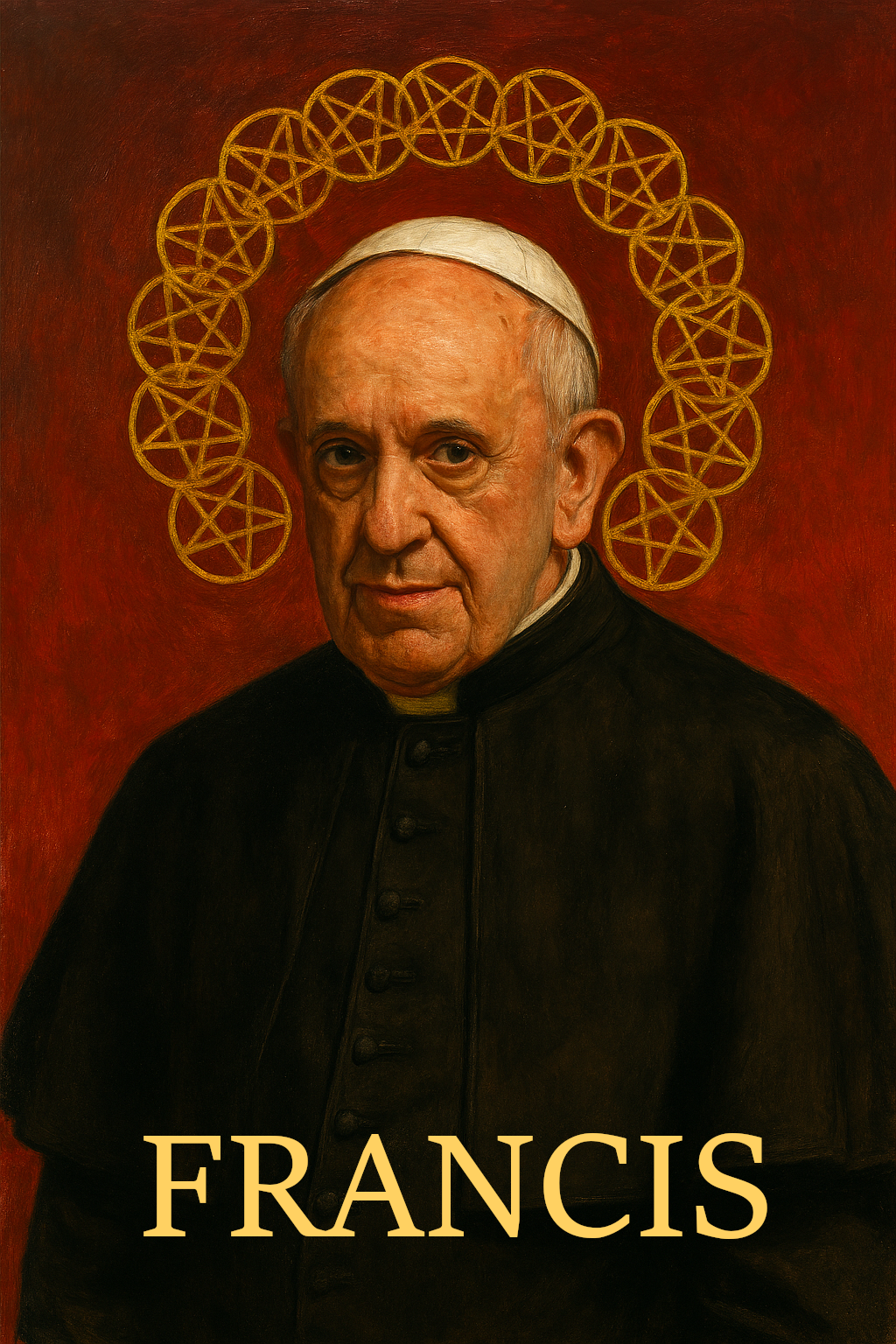
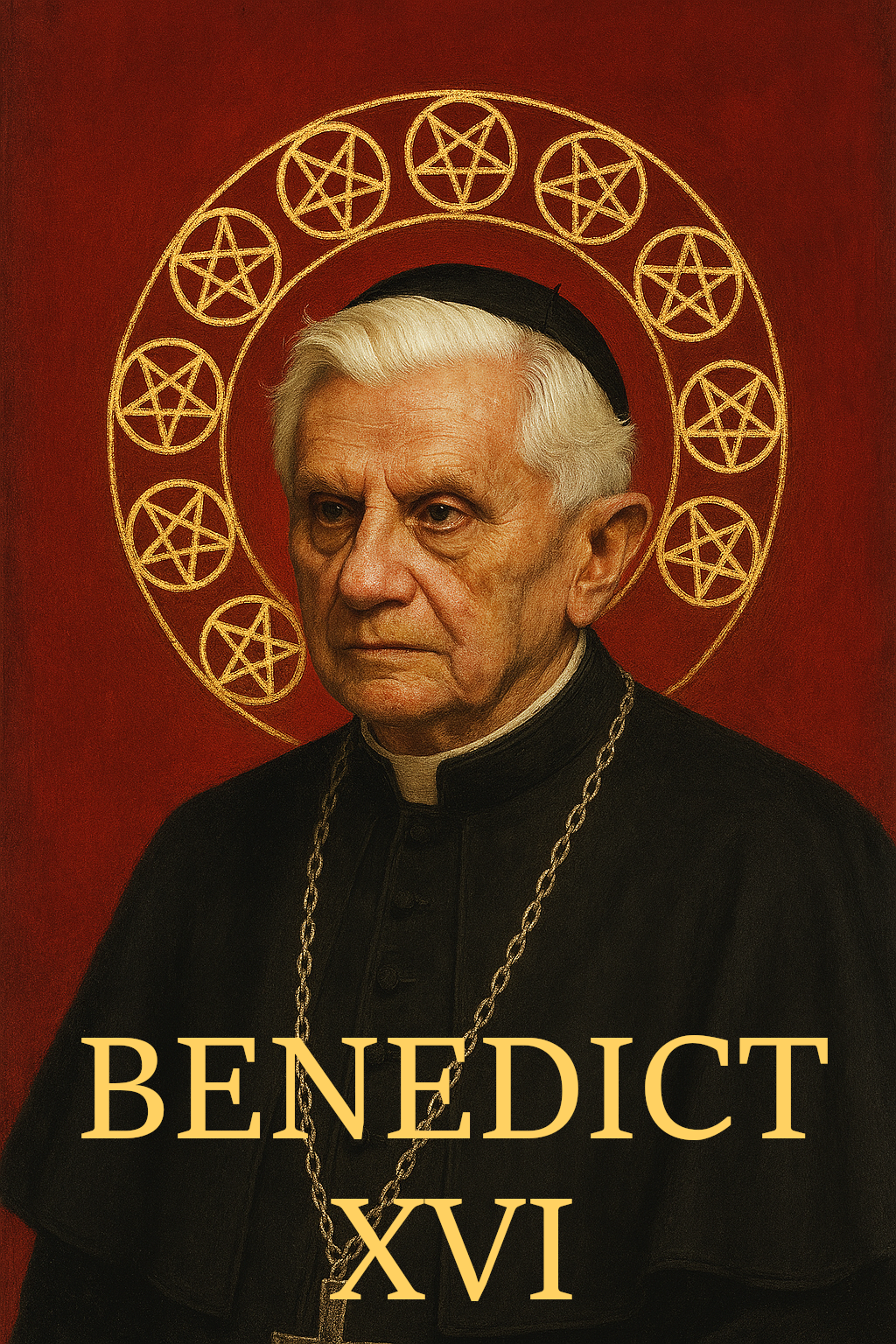
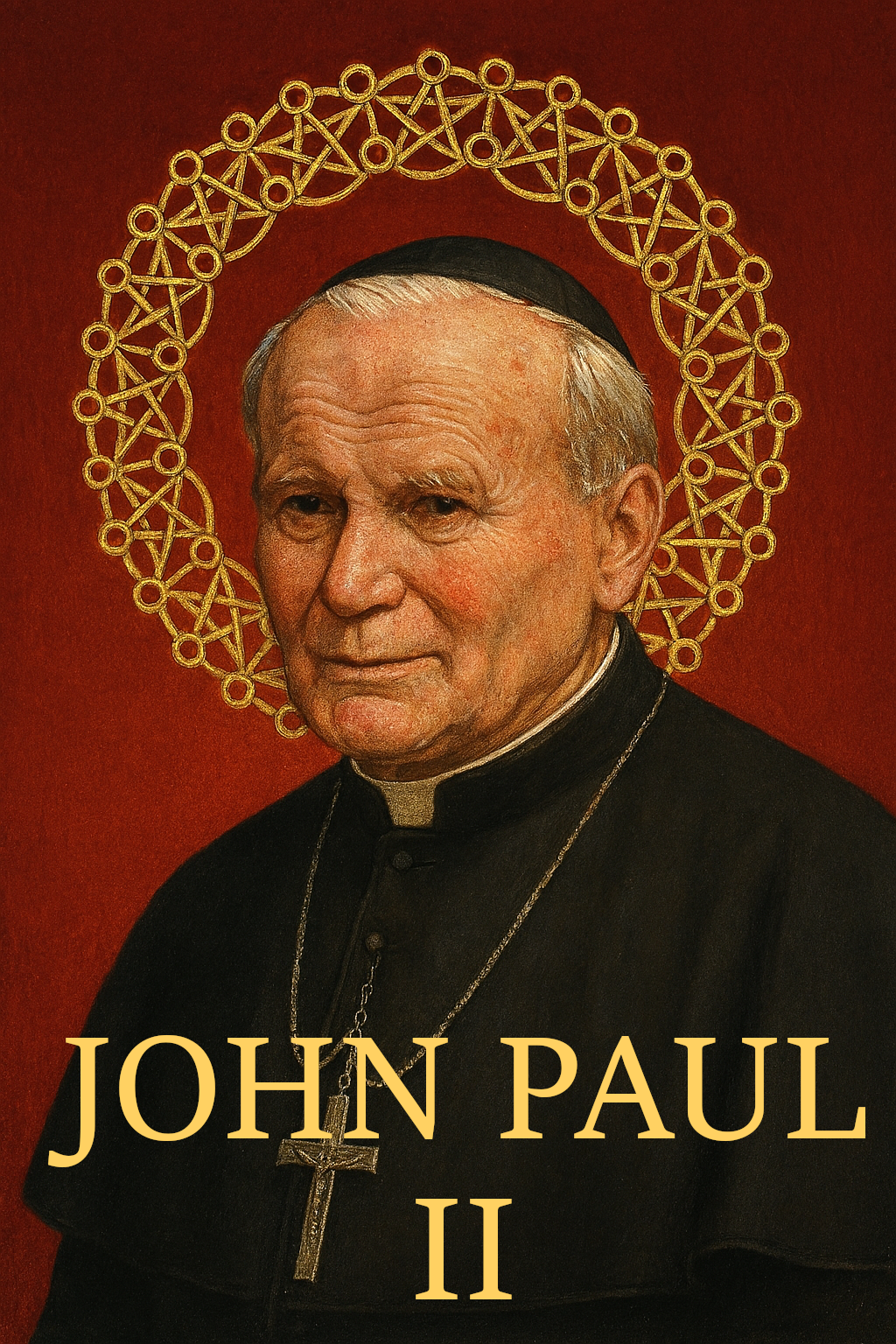

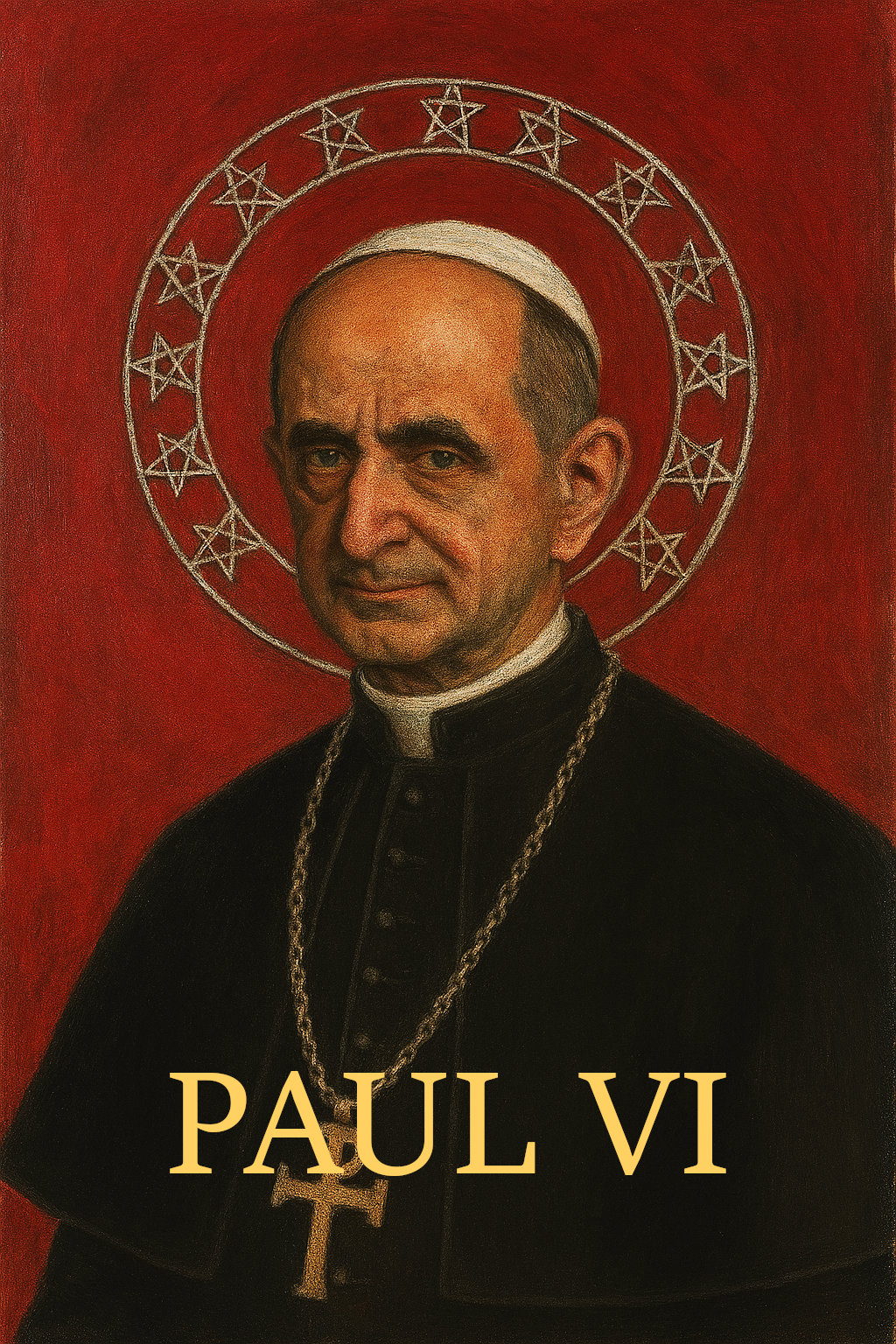
Timeline of this heretical pontiff
Encyclical Letters
+ 15 posts1959
+ 7 posts1961
+ 4 posts1962
+ 2 posts1963
+ 2 postsApostolic Exhortations
+ 3 postsApostolic Constitutions
+ 93 posts1958
+ 6 posts1959
+ 87 postsMotu Proprio
+ 15 posts1958
+ 1 posts1959
+ 1 posts1962
+ 11 postsApostolic Letters
+ 151 posts1958
+ 4 posts1959
+ 63 posts1960
+ 78 posts1961
+ 1 posts1962
+ 4 posts1963
+ 1 postsSpeeches
+ 99 posts1958
+ 2 posts1959
+ 26 posts1960
+ 29 posts1961
+ 16 posts1962
+ 24 postsMessages
+ 6 posts1959
+ 4 postsHomilies
+ 4 postsLetters
+ 152 posts1958
+ 1 posts1959
+ 48 posts1960
+ 32 posts1961
+ 31 posts1962
+ 30 posts1963
+ 10 postsNot categorized
+ 1 posts1958
+ 1 postsNews feed

EPISTULA AD ALFONSUM… INITIA EPISCOPALIS (1959.06.24)
At first glance, this Latin letter of John XXIII (24 June 1959) is a brief congratulatory note to Alfonso Castaldo on the 25th anniversary of his episcopal ordination. It praises his pastoral initiatives in Pozzuoli and Naples: visitation of the diocese, multiplication of parishes, promotion of clergy and Catholic Action, care for seminaries, charitable institutions, and youth education; it grants him the faculty to impart the so‑called papal blessing with plenary indulgence on the jubilee celebration. Beneath this apparently pious surface, however, stands the programmatic glorification of an already deformed hierarchy and the quiet consolidation of the conciliar revolution that would soon devastate the Church.

La epistula ad Marcellum Mimmi (1959.08.02)
Catana, a city near Mount Etna and adorned by the martyrdom of Agatha and Euplus, is indicated as the chosen place for a nationwide Eucharistic Congress; John XXIII appoints Cardinal Marcello Mimmi as his legate, exhorting clergy and faithful to increase Eucharistic devotion, promote unity and peace, and draw abundant spiritual and even civil benefits for Italy from this solemn gathering. Yet beneath this apparently pious exhortation lies an already operative program: the instrumentalization of the Most Holy Eucharist as a sentimentalist banner for a new naturalistic unity, detached from the integral doctrine of the Church and preparatory to the conciliar revolution against the reign of Christ the King.

Non excidit (1959.08.20)
In this brief Latin letter, John XXIII appoints Ferdinando Cento as his legate to the National Eucharistic Congress of Argentina in Córdoba (Tucumán) in October 1959. He recalls with enthusiasm the 1934 International Eucharistic Congress in Buenos Aires (with Eugenio Pacelli as papal legate), praises the Argentine hierarchy’s preparations, extols civil authorities for their cooperation and acknowledgment of ties with the Holy See, and expresses paternal joy and hope that increased Eucharistic devotion will strengthen religious life and social peace. Beneath its devout language, this text already manifests the programmatic horizontalism, political flattery, and falsified notion of ecclesial communion characteristic of the conciliar revolution inaugurated by this usurping antipope.

Si summo (1959.08.25)
The letter “Si summo,” dated 25 August 1959 and signed by John XXIII, appoints Alfredo Cardinal Ottaviani as legate to the centenary celebrations of the establishment of the hierarchy in Canada. In solemn Latin, it praises divine beneficence, extols the foundation and growth of the Canadian hierarchy, commemorates François de Laval, urges Canadian bishops and faithful to defend pure doctrine and to promote Christian life amid modern errors, promises spiritual favors including a plenary indulgence, and extends an apostolic blessing.
Varia
Announcement:
– News feed –implemented
– Antipopes separate web sites with their all documents refutation – in progress