Antipopes of the Antichurch
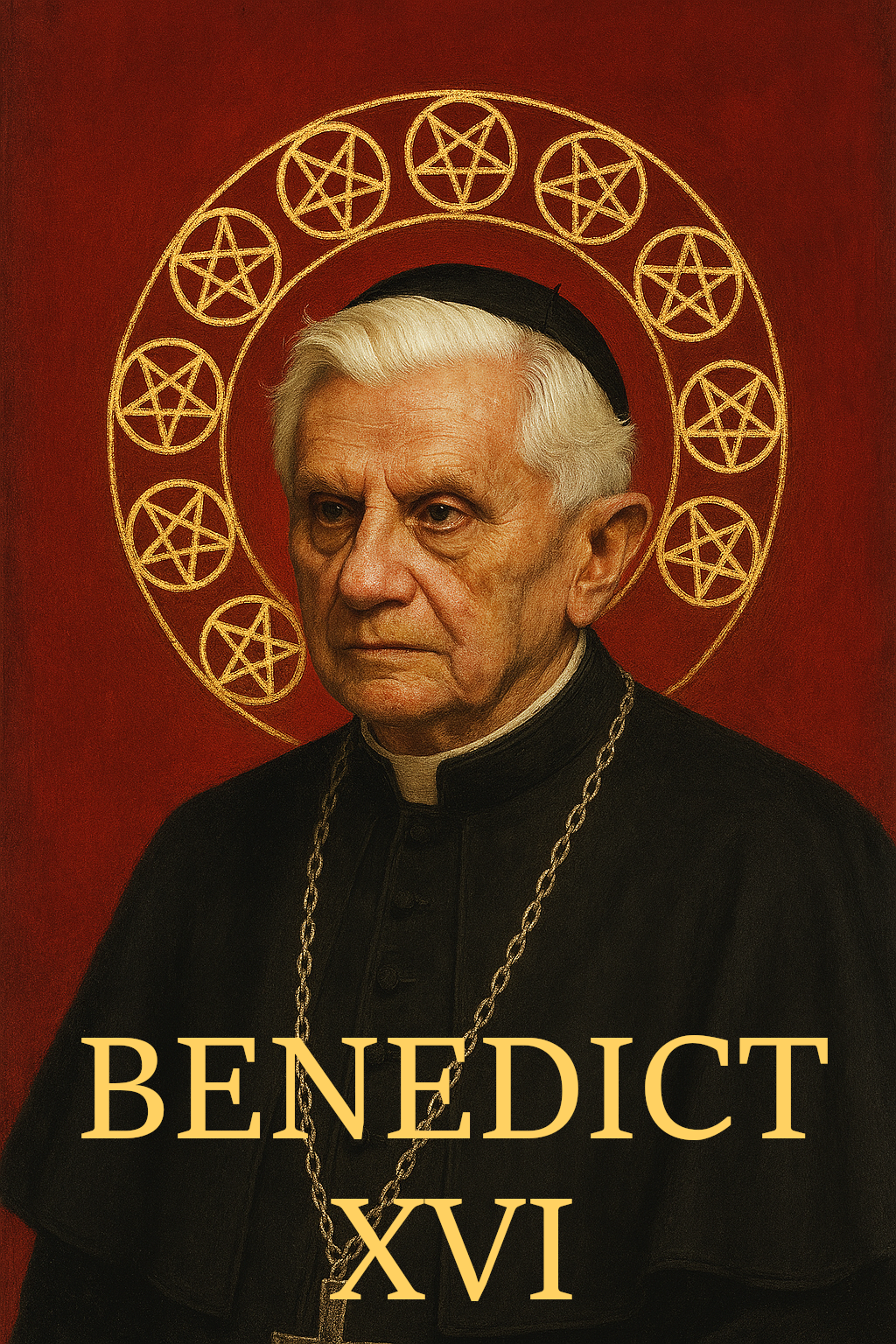
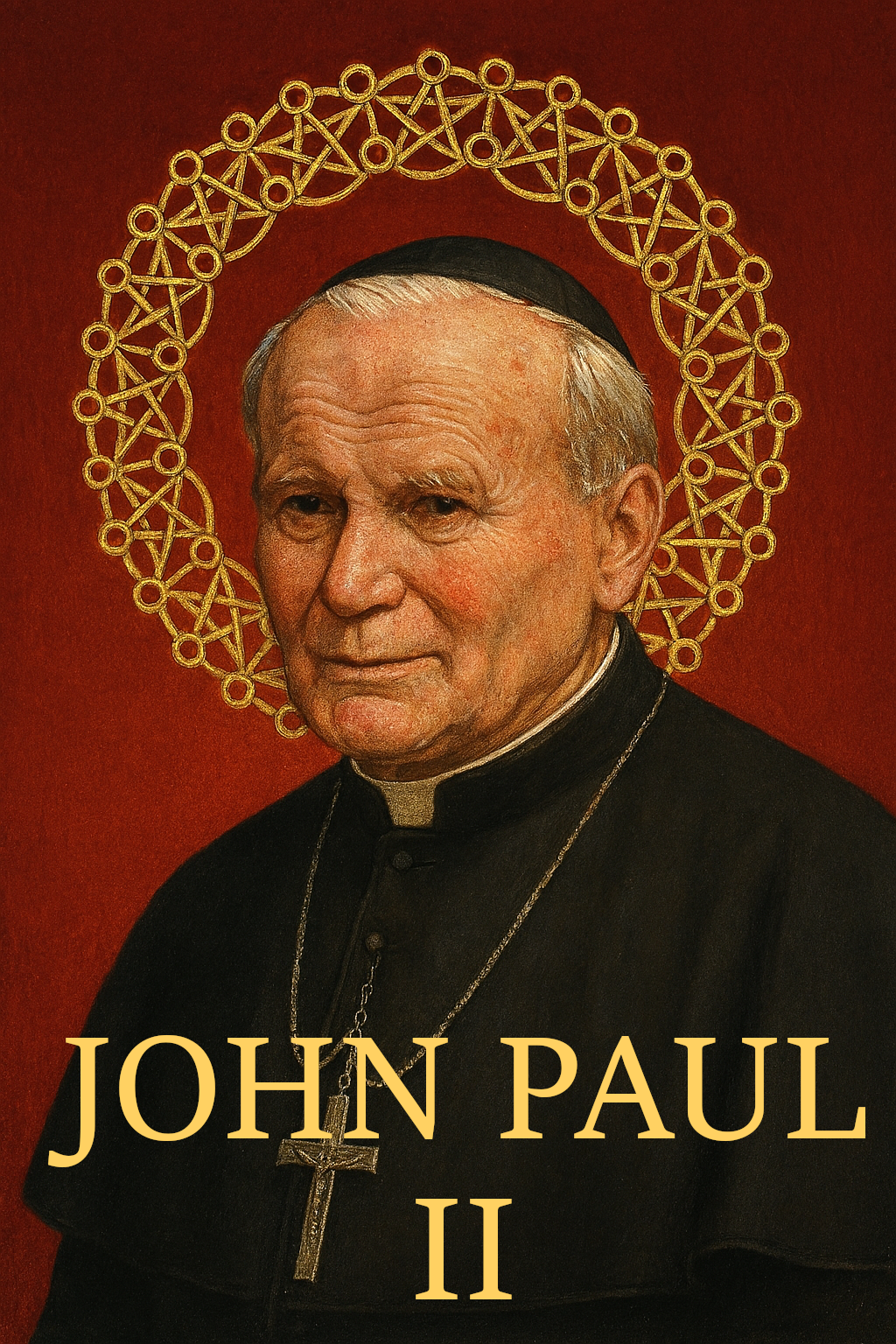

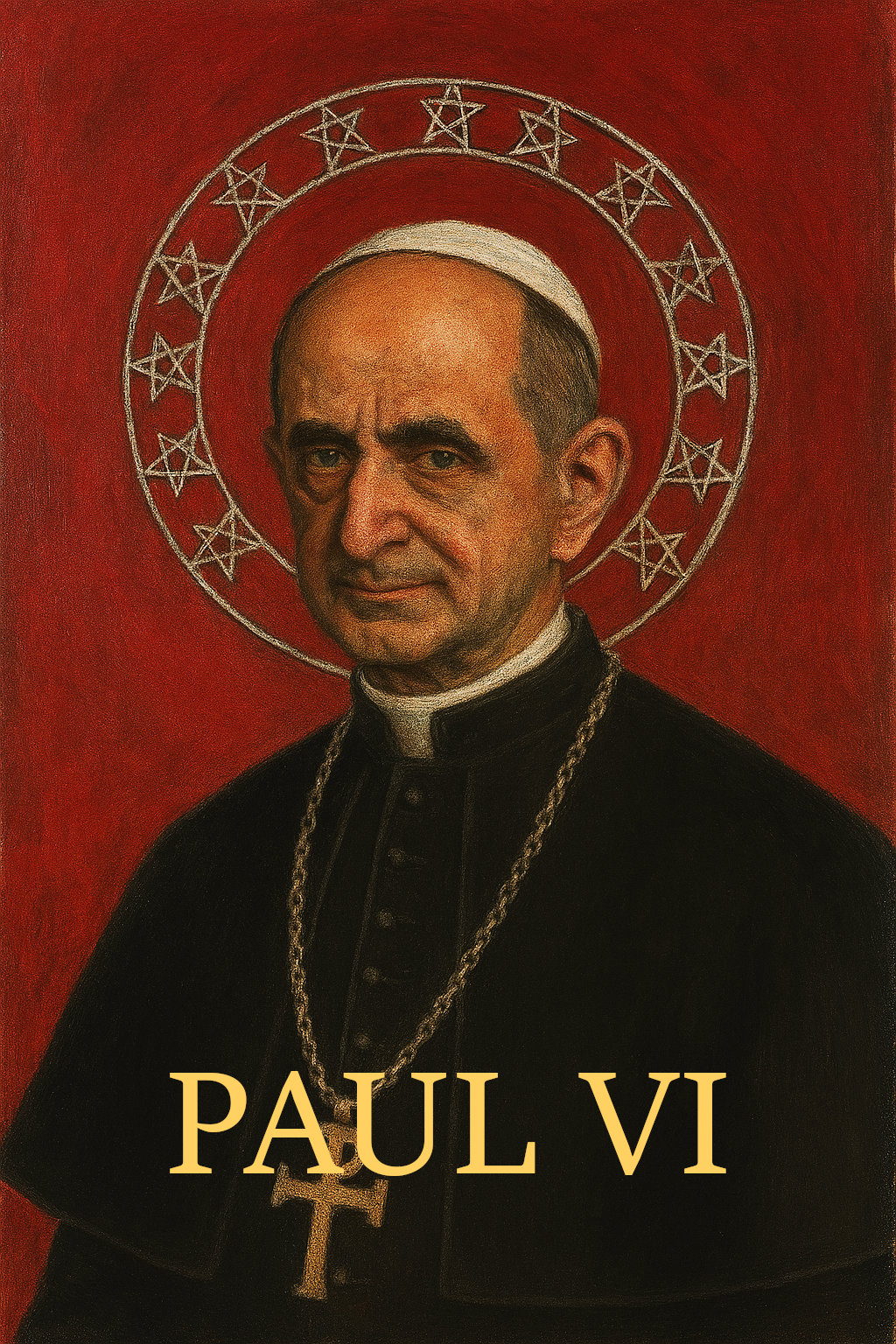
Timeline of this heretical pontiff
Encyclical Letters
+ 15 posts1959
+ 7 posts1961
+ 4 posts1962
+ 2 posts1963
+ 2 postsApostolic Exhortations
+ 3 postsApostolic Constitutions
+ 93 posts1958
+ 6 posts1959
+ 87 postsMotu Proprio
+ 15 posts1958
+ 1 posts1959
+ 1 posts1962
+ 11 postsApostolic Letters
+ 151 posts1958
+ 4 posts1959
+ 63 posts1960
+ 78 posts1961
+ 1 posts1962
+ 4 posts1963
+ 1 postsSpeeches
+ 99 posts1958
+ 2 posts1959
+ 26 posts1960
+ 29 posts1961
+ 16 posts1962
+ 24 postsMessages
+ 6 posts1959
+ 4 postsHomilies
+ 4 postsLetters
+ 152 posts1958
+ 1 posts1959
+ 48 posts1960
+ 32 posts1961
+ 31 posts1962
+ 30 posts1963
+ 10 postsNot categorized
+ 1 posts1958
+ 1 postsNews feed

Monachium (1960.06.27)
Monachium, adorned in this Latin letter by John XXIII as pious, artistic, Eucharistic, and chosen to host an “International Eucharistic Congress,” is presented as a privileged stage where the cult of the Blessed Sacrament is to be solemnly exalted under the personal mandate of Cardinal Testa, papal legate of the newly elected pontiff and herald of the coming council. The text extols the Eucharist as sign of unity, compares the Munich gathering to a “station” for the whole world in imitation of Roman stational liturgy, and explicitly subordinates the entire event to the same purposes for which he convoked the so-called ecumenical council: prayer against materialism, promotion of social structures according to “Christian principles,” expansion of “Christ’s religion” throughout the world, and blessing of marriages and public life. Behind the sacral rhetoric, however, stands the inaugural choreography of the conciliar revolution: instrumentalization of Eucharistic language as a façade for aggiornamento, dilution of Catholic doctrine into humanistic slogans, and the inauguration of a pseudo-magisterium that would soon enthrone religious liberty, collegiality, and false ecumenism against the perennial teaching of the Church.

Proximo mense (1960.07.05)
This Latin letter of John XXIII (“Ioannes PP. XXIII”) congratulates Joseph Frings, archbishop of Cologne, on the upcoming 50th anniversary of his priestly ordination. It praises his personal character, his social initiatives (aid to Japan, Korea, South Africa, hunger relief), his attachment to the Holy See, his support for Vatican Radio, his diocesan accomplishments, and grants him the faculty to impart a blessing with plenary indulgence on a chosen day. The entire text is a self-satisfied panegyric of an episcopate already penetrated by liberal-humanitarian ideas, crowned by the approbation of the very man who inaugurated the conciliar revolution; it is therefore a symptom and instrument of the theological decomposition of the 20th century pseudo-hierarchy.

Gratulationis (1960.08.21)
At the end of the 37th International Eucharistic Congress in Munich (1960), John XXIII sends a formal Latin letter to Josef Wendel, praising his organizational zeal, commending the harmonious collaboration of clergy, laity, and civil authorities, rejoicing in the public manifestation of “ancestral faith,” and expressing hope that this worldwide gathering at the Eucharistic Lord will foster mutual charity, unity among nations, and lasting peace, sealed by his “apostolic blessing.”

Libenter mox (1960.10.21)
This Latin letter of John XXIII appoints Cardinal Marcello Mimmi as papal legate to a Marian Congress in Buenos Aires, praising Marian devotion, extolling “peace” and “social justice,” and encouraging application of “Christian social doctrine” to the pressing social questions of South America, in order to promote concord between employers and workers under Mary’s patronage. In reality, this short text already displays the conciliatory, naturalistic, and proto-conciliar program by which the future Council’s spirit was smuggled in under Marian language to prepare the dismantling of the reign of Christ the King in society and the neutralization of integral Catholic faith.
Varia
Announcement:
– News feed –implemented
– Antipopes separate web sites with their all documents refutation – in progress